

Cigar Details: Saint Luis Rey Tabacales Toro
- Vitola: Toro Extra
- Length: 6″
- Ring Gauge: 54
- Country of Origin: Dominican Republic
- Wrapper: Nicaragua
- Binder: Cameroon
- Filler: Dominican Republic and Nicaragua
- Factory: Tabacalera de Garcia
- Blender: Undisclosed
- Price: $8.25
- Release Date: August 2025
- Source: Altadis USA

Aaron Loomis

John McTavish
Pre-light Experience
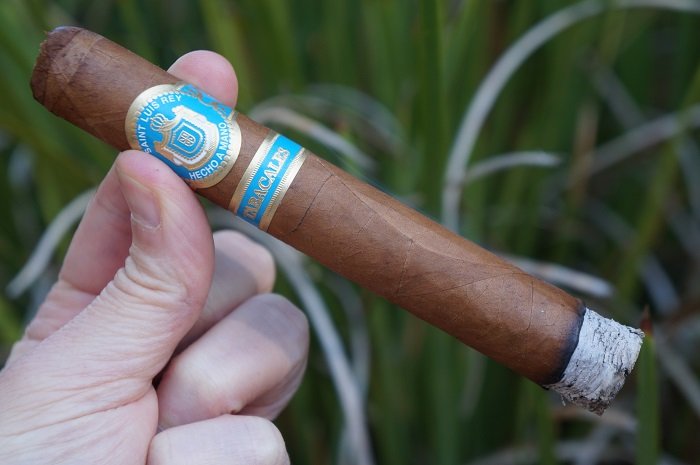
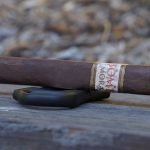
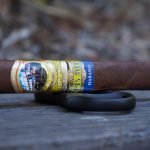
Aaron: The wrapper on the Saint Luis Rey Tabacales Toro is light brown and has some decently raised veins present. The seams are smooth and the head well finished. There are two bands, both in an aqua blue, gold and white color combination. The primary denotes the brand, and the secondary denotes the line. The aroma from the wrapper is a mix of dry earth and hay, while the foot brings cedar, dry earth and stone fruit sweetness. The pre-light draw brings cedar and dry earth, along with a mid-level spiciness on my lips and the tip of my tongue.
John: The Saint Luis Rey Tabacales Toro comes in cellophane with a UPC sticker containing cigar information, which tears when the cellophane is opened. The cigar is double banded, featuring a primary Saint Luis Rey band and a secondary Tabacales band. I weighed the cigar at 17.5 grams and measured the humidity with the HumidiMeter Pro at 60.1%. Aromas from the wrapper included sweet bread, tobacco with mossy vegetal notes and damp wood underneath. From the foot, I was getting sweet tobacco and hay.

Saint Luis Rey Tabacales Toro
First Third
Aaron: The cigar begins with toasted cedar, dry earth, black pepper and some mustiness. At a quarter inch in, the mustiness gains a bit of chalkiness. At three quarters of an inch in, the black pepper mellows a bit. The retrohale is toasted cedar, dry earth, mustiness and faint chalkiness. At an inch and a quarter, the mustiness and chalkiness increase a bit. As the third comes to a close, the toasted cedar is a bit ahead of the dry earth, with mustiness and chalkiness in the middle of the profile and the black pepper in the back half. The strength was mild-medium.
John: Initial flavor impressions in the first third are mild, sweet tobacco and hay, with faint wood finishing through the profile. Through the retrohale, I’m getting creamy sweet wood, hay and some clover. As the cigar continues toward the halfway point, mild dry wood moves into the center of the profile. A few retrohales later, chocolate joins the wood, adding a subtle layer to the otherwise restrained profile.
Saint Luis Rey Tabacales Toro
Second Third
Aaron: As the second third begins, the black pepper picks back up a bit. At a half inch in, there are faint hints of a vegetal/medicinal note. The retrohale is now toasted cedar, dry earth and musty chalkiness. At an inch and a half in, the black pepper mellows again. At an inch and three quarters, that random vegetal medicinal note morphs into a more prominent vegetal bitterness. As the third wraps up, the toasted cedar is just ahead of the dry earth, with musty chalkiness in the middle of the profile and the black pepper and vegetal bitterness in the back half. The strength bumped up to slightly below medium.
John: The second third opens with baking spices and wood, with the wood picking up tannins and dryness through the finish. As the second third settles in, sweet tobacco leads off, combined with hay, while dry hay and wood define the post draw. Moving toward the halfway point, the dry hay increases in intensity and takes over as the lead flavor.

Saint Luis Rey Tabacales Toro
Final Third
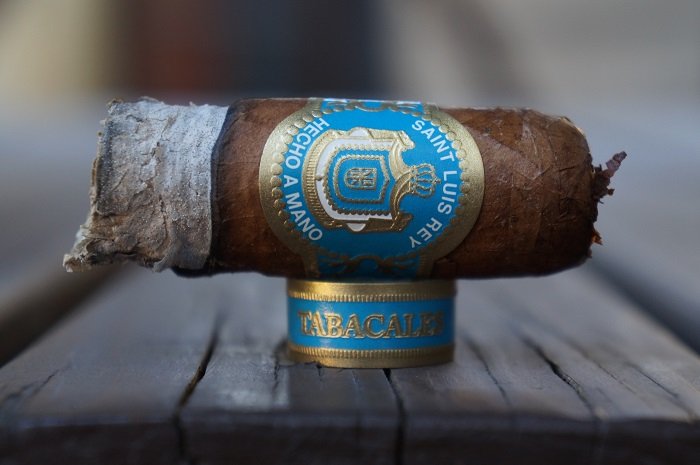
Aaron: As the final third begins, a bit of the medicinal note reemerges as its own note. At a half inch in, the vegetal bitterness mellows a bit. The retrohale is now toasted cedar, dry earth, musty chalkiness and light medicinal note. At an inch and a half in, the vegetal note increases, but with a light bitterness. As the cigar wraps up, the toasted cedar is just ahead of the dry earth, with the musty chalkiness and vegetal note with light bitterness in the middle of the profile and some black pepper and medicinal note in the back half. The strength remained at slightly below medium.
John: The final third begins with creamy hay, while mild sweet tobacco occupies the center of the profile and dry wood is present through the post draw. As the cigar continues to progress, dry hay and wood come to define the profile, with bitter hay taking over the post draw.
Saint Luis Rey Tabacales Toro
Burn
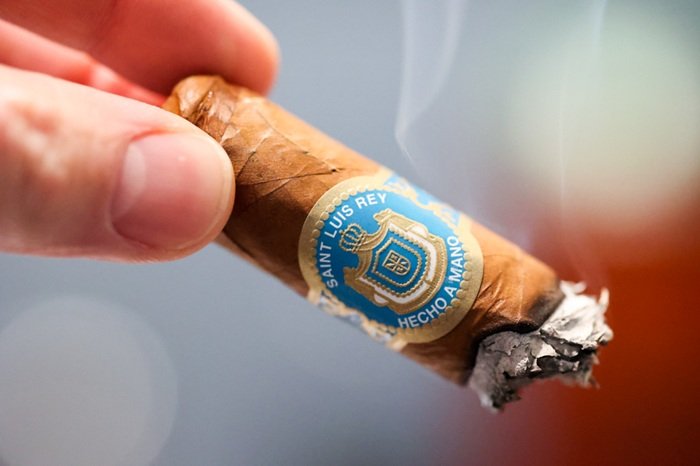
Aaron: The burn was a bit wavy at times and needed one correction to keep things burning in unison. The ash held on in inch and a half increments.
John: The burn was straight through the first and second thirds. There was some minor waviness through the last third, but it did not require any intervention.
Saint Luis Rey Tabacales Toro
Draw
Aaron: The draw was perfect, with just the right amount of resistance that I prefer.
John: I measured the draw at 40 inches of water with the Cigar Medics draw machine. Subjectively, the draw was approximately one notch resistant, placing it squarely in the ideal range between open and resistant, earning an Amazing draw score.
Overall
Aaron: The cigar began with toasted cedar, dry earth, black pepper and some mustiness. The mustiness gained some chalkiness fairly quickly. Later, the black pepper mellowed a bit and then the musty chalkiness increased. The second third saw the pepper pick back up a bit and then faint hints of a vegetal/medicinal note were present. Later, the vegetal note became more prominent with some bitterness and the medicinal component departed. The final third saw the medicinal note reemerge as its own component. The vegetal bittenress then mellowed, but later the fullness of the vegetal note increased but maintained a mild bitterness. The Saint Luis Rey Tabacales Toro had an average flavor profile throughout, driven by the toasted cedar and earth. The supporting notes were interesting, but not ones that are typical or profile enhancing. This reminds me of some VegaFina blends that are released for Europe and come out of the same factory. It’s not really a profile I’m drawn to and isn’t likely something I’d return to.
John: The Saint Luis Rey Tabacales Toro delivers a consistently restrained and approachable profile from start to finish, centered largely around hay, sweet tobacco and dry wood. The cigar never attempts to push strength or complexity, instead maintaining a steady, linear experience that emphasizes balance over evolution. The first third offers some promise, with sweet tobacco, creamy wood and occasional accents like clover and chocolate adding brief moments of interest. However, these nuances never fully develop, and the profile quickly settles into a familiar rhythm. Through the second and final thirds, hay becomes increasingly dominant, eventually taking on a drier, more bitter character that overshadows the sweeter tobacco notes present earlier. While the cigar never becomes harsh or aggressive, it also never finds a second gear, remaining largely unchanged through the latter portions. Construction is a clear highlight. An excellent draw and an essentially flawless burn allow the cigar to be smoked without distraction, which helps carry the experience despite the limited progression. In the end, the Saint Luis Rey Tabacales Toro is a technically sound cigar that delivers a reliable, traditional profile but lacks the depth or evolution needed to elevate it beyond Average. It’s a cigar that doesn’t leave a lasting impression once finished. Total smoking time was 2 hours and 58 minutes.
Aaron | John | |
| Good | Pre Light | Good |
| Average | First Third | Average |
| Average | Second Third | Average |
| Average | Final Third | Average |
| Good | Burn | Amazing |
| Amazing | Draw | Amazing |
| Average | Overall | Average |





Leave a Reply